
There is a cruel paradox waiting for anyone who decides to reclaim their vitality: before you feel like a superhero, you will almost certainly feel like a wreck. Whether you are transitioning to a ketogenic lifestyle or embarking on a clinical detox, the initial “wellness dip” is a notorious hurdle. It is a period defined by brain fog, crushing fatigue, and a hair-trigger temper.
In the world of complementary and alternative medicine (CAM), this phenomenon is known as the “Healing Crisis.” It is a temporary intensification of symptoms—a biological storm that often precedes a profound clearing. While it feels like failure, investigative data suggests this setback is actually the construction noise of a high-stakes metabolic renovation.
1. The “Bitchy Phase” is a Physiological Tax
The irritability that accompanies a new low-carb or detox protocol is so common that online health communities have dubbed it the “bitchy phase.” This isn’t a lack of willpower or a character flaw; it is a measurable event involving the rapid recalibration of your internal chemistry.
When you drastically cut carbohydrates, your insulin levels plummet. While this is the ultimate goal for metabolic health, the immediate side effect is a massive release of stored fluids. As the water leaves, it takes essential salts—specifically sodium and potassium—with it. This electrolyte “drain” is the primary driver of the so-called “Atkins Flu.”
The mood swings are the brain’s reaction to this sudden lack of metabolic scaffolding. As one Reddit practitioner observed:
“I know that if I don’t use the lite salt at my house and don’t eat enough avocado or other items that contain sufficient potassium I get a little irritable and get a headache.”
2. Setbacks are Data, Not Defeats
We are conditioned to believe that recovery is a straight line, but clinical reality is far messier. Consider the case of Ira Warren Whiteside, who lost 140 pounds over four years. On paper, he was a success story: his cholesterol, blood pressure, and blood sugar were trending toward perfection.
Yet, beneath those “good” numbers, his nervous system was struggling to keep pace. Whiteside faced a terrifying complication: weight-loss-induced polyneuropathy. He suffered from foot drop, loss of grip strength, and even lost his vocal cord function.
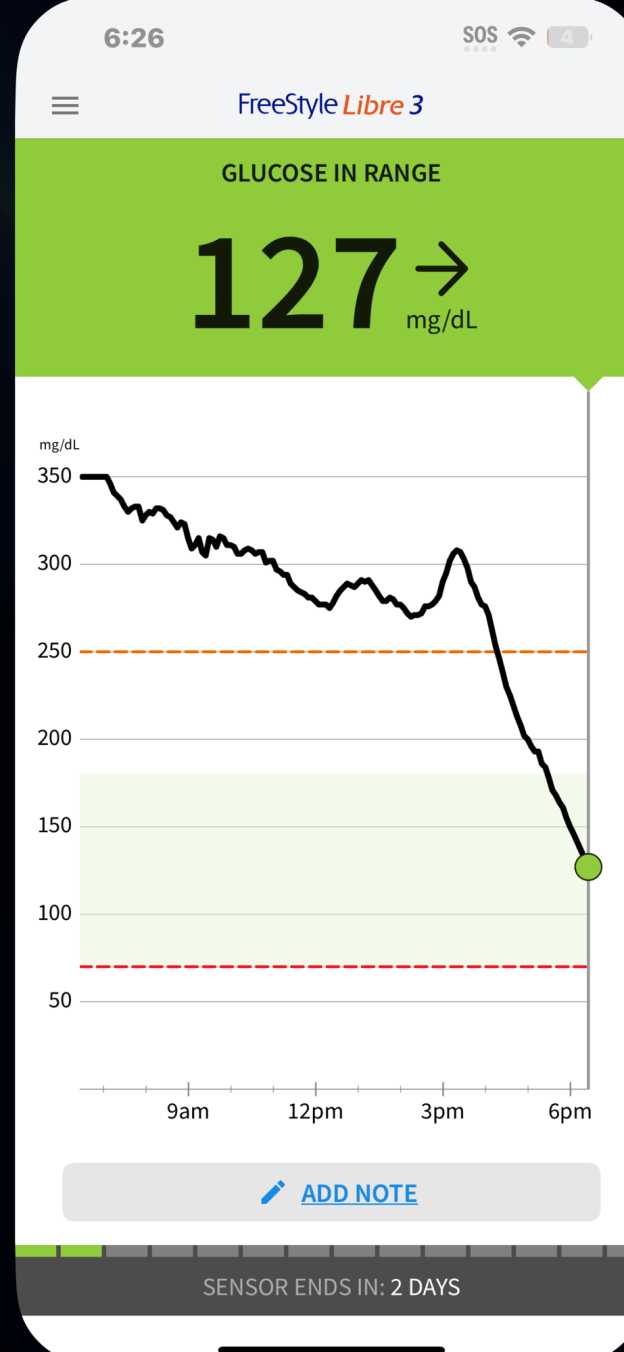
Whiteside’s “pills vs. stats” philosophy became his lifeline. By obsessively tracking his data, he exercised a high level of self-advocacy and skepticism, using nerve studies and MRIs to disprove a preliminary stroke diagnosis. He realized that health isn’t just about weight—it’s about the data-driven understanding of how your body handles the stress of transformation.
3. Starving the Bad to Feed the Good
A healing crisis often marks a period of “cellular warfare” within the gut. A ketogenic shift profoundly alters your microbiome, the trillions of organisms living in your gastrointestinal tract. A healthy system typically favors a high ratio of Bacteroidetes to Firmicutes, a balance linked to lower inflammation and improved insulin sensitivity.
As you shift your fuel source, you may be triggering the Warburg Effect within your own body. This metabolic principle highlights that cancer cells are notoriously dependent on glucose for energy. By reducing glucose and fueling your system with ketones, you are essentially starving these “metabolic opportunists” while fortifying healthy cells.
This transition is rarely comfortable. The discomfort of a dietary shift is often the sensation of your microbiome’s ecosystem being forcibly rebalanced. It is a biological “eviction notice” for inflammatory-linked bacteria, and the temporary symptoms are the fallout of that transition.
4. BHB: The Prize at the Bottom of the Dip
If the “Bitchy Phase” is the tax, β-hydroxybutyrate (BHB) is the prize. When your body enters nutritional ketosis, it produces BHB, a molecule that investigative research now reveals is “more than a fuel source.” It is a powerful epigenetic signaling messenger.
BHB acts as an endogenous HDAC inhibitor, meaning it has the power to talk directly to your genetic code. It triggers a “rewrite” that activates protective genes like Foxo3a, which are essential for resistance to oxidative stress and healthy aging.
This is the “Eureka!” moment of the healing crisis: the temporary fatigue and irritability you feel are the byproduct of your body performing deep, structural maintenance. You are moving past the “noise” of glucose metabolism and into a state where your body is rewriting its own defenses at a cellular level.
5. The 14-Day Rule: Distinguishing Healing from Harm
While a healing crisis is a legitimate biological event, it must not be used as an excuse to ignore clinical danger. Mainstream medicine recognizes a similar “worsening before improving” phenomenon known as the Jarisch-Herxheimer Reaction (JHR), typically seen during antibiotic treatment.
To stay safe, practitioners must distinguish between a temporary “detox” and an “adverse effect.” A healing crisis should resolve as the body adapts, but an adverse effect is a harmful reaction that requires intervention.
The Healing Crisis Checklist:
- Flu-like feelings (fatigue, mild chills)
- Temporary body aches or mild headaches
- Symptoms that resolve or shift within a few days
The “Adverse Effect” Red Flags:
- Functional losses (nerve damage, mobility issues, vocal cord failure)
- Severe, escalating pain
- Symptoms that persist beyond 14 days
The 14-Day Rule is absolute: if symptoms do not show signs of improvement after two weeks, you are likely dealing with an adverse effect rather than a crisis. Severe symptoms require clinical investigation, a fact underscored by the Surabaya study on nutritional polyneuropathy. This research highlights that conditions like Beriberi—a severe thiamine deficiency—can mimic a “healing dip” but represent a dangerous clinical state that demands professional medical oversight, not just “riding it out.”
Conclusion: The Long Game of Recovery
Respecting the “Healing Crisis” requires shifting from a desire for immediate results to a respect for the body’s actual pace of repair. For instance, in cases of weight-loss-induced neuropathy, damaged nerves only regrow at a rate of approximately one millimeter a day.
True wellness is an exercise in persistence and data-driven self-advocacy. When the “bitchy phase” hits, remember that you are paying the tax for a molecular renovation. The goal is to monitor the trends, trust the stats, and listen to the underlying metabolic story.
If your symptoms are a conversation your body is having with your cells, are you listening to the data, or just the noise?
 Ira Warren Whiteside's Blog- Information Sherpa